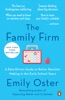
In the quiet of a late-night Google search, you've likely found yourself down a rabbit hole of parenting advice that leaves you more confused than when you started. You're not alone. As a pediatrician who has spent years studying child development and behavioral economics, I've seen firsthand how overwhelming the deluge of often contradictory advice can be. The pressure to be the perfect parent is immense, and it's a myth that does more harm than good. Let me tell you why. Meet Priya, a data scientist in London, who found herself paralyzed by the conflicting advice on sleep training. Every expert seemed to have a different opinion, and the more she read, the more anxious she became. She tried every method, desperate to find the right one, and ended up with an exhausted baby and an even more exhausted herself. The truth is, there is no one-size-fits-all solution. What works for one family might not work for another, and that's okay. Then there's Jamal, a nurse in a rural village, who was told that his son's developmental delays were a result of his poor parenting. The stigma and shame he felt were overwhelming, and it wasn't until he sought out evidence-based resources that he realized his son's delays were likely due to a combination of genetic and environmental factors, not his parenting skills. This is where the power of informed discernment comes in. Understanding the science behind child development can help parents navigate the cultural pressure to conform to unrealistic standards. The myth of the perfect parent is not just a harmless ideal; it's a dangerous illusion that can lead to anxiety, depression, and even neglect. Studies have shown that parents who strive for perfection are more likely to experience stress and burnout, which can negatively impact their children's well-being. Moreover, the pressure to conform to societal expectations can lead to a one-size-fits-all approach to parenting, ignoring the unique needs and circumstances of each family. But here's the good news: science shows that small, consistent tweaks to routine, not rigid adherence to dogma, lead to healthier, happier children and parents. The key is good enough parenting, not perfection. This doesn't mean ignoring expert advice or dismissing professional expertise. On the contrary, it means valuing professional expertise while maintaining parental agency. It's about understanding the science behind child development and using that knowledge to make informed decisions that work for your family. Take, for example, the case of Lila, a single mother in New York City who was struggling with her daughter's picky eating. She had tried every trick in the book, from hiding vegetables in smoothies to bribing her daughter with dessert. But it wasn't until she read about the importance of exposure and modeling healthy eating habits that she saw a real change. She started incorporating more fruits and vegetables into her own diet and involving her daughter in meal preparation. It wasn't an overnight fix, but over time, her daughter's eating habits improved. The stakes are high, and the consequences of ignoring the thesis are real. Parents who feel overwhelmed and unsupported are more likely to experience stress, anxiety, and depression, which can negatively impact their children's well-being. But it doesn't have to be this way. By embracing the myth of the perfect parent and the power of small, consistent tweaks, we can create a healthier, happier future for our children and ourselves. In the pages that follow, we'll explore the science behind child development and the myths that surround it. We'll delve into the latest research on sleep, nutrition, discipline, and more, and we'll provide practical, evidence-based strategies for navigating the challenges of parenting. But most importantly, we'll emphasize the importance of flexibility, adaptability, and informed discernment. Because the truth is, there is no one-size-fits-all solution to parenting. What works f